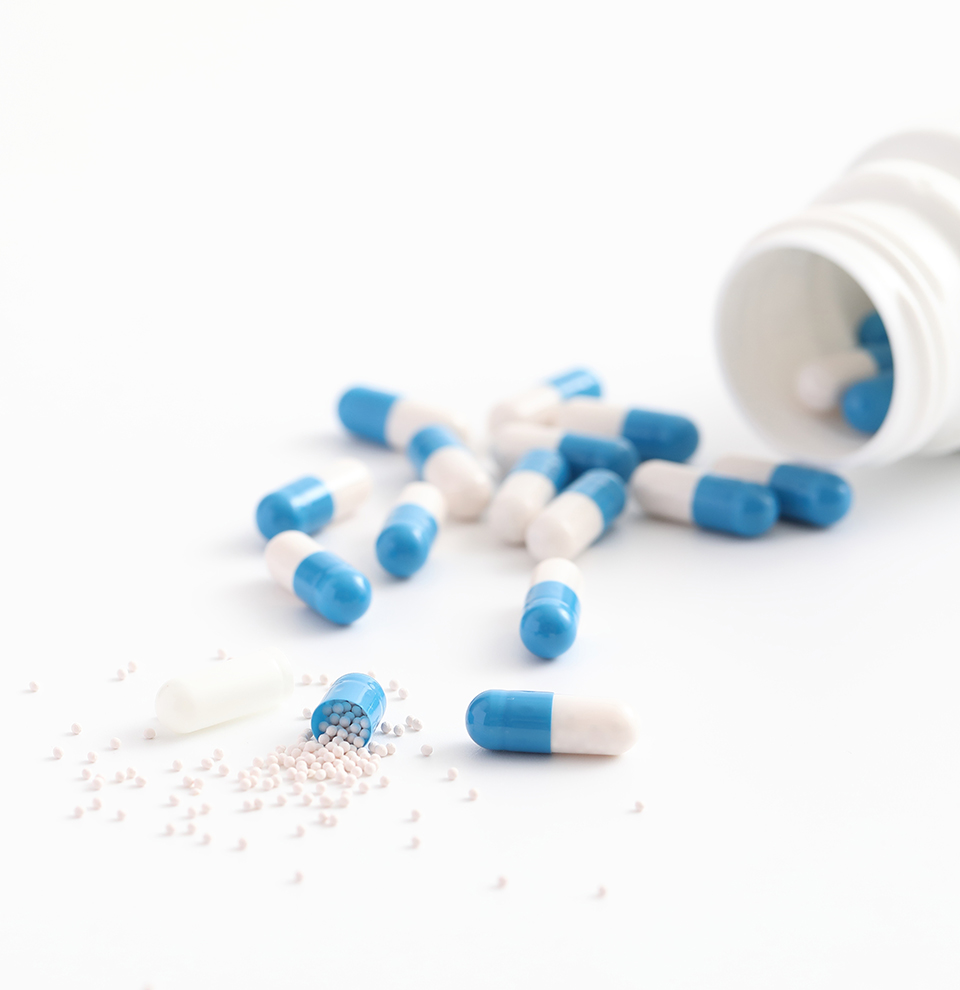
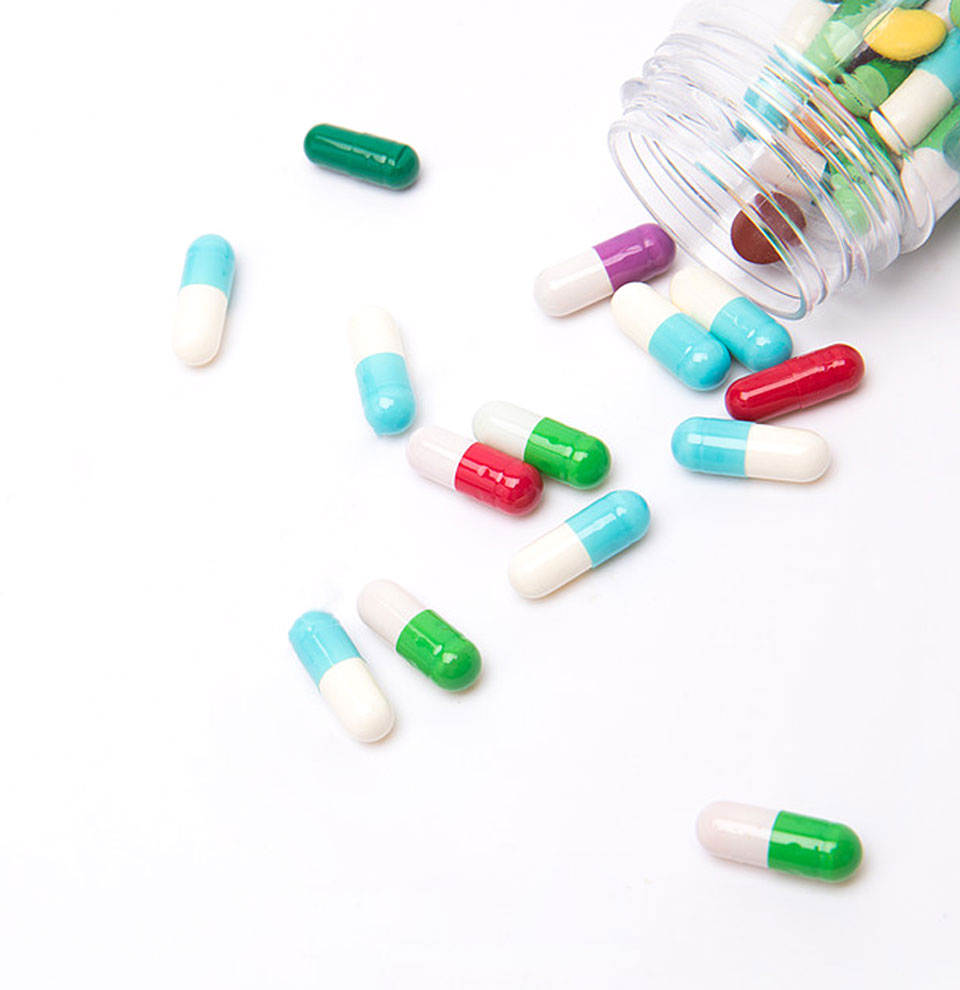
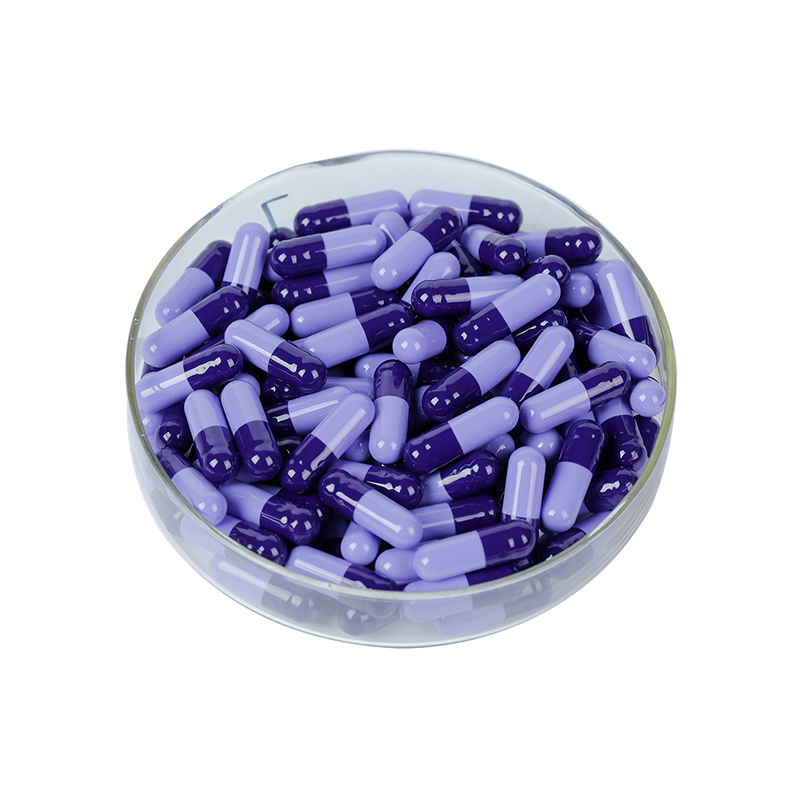
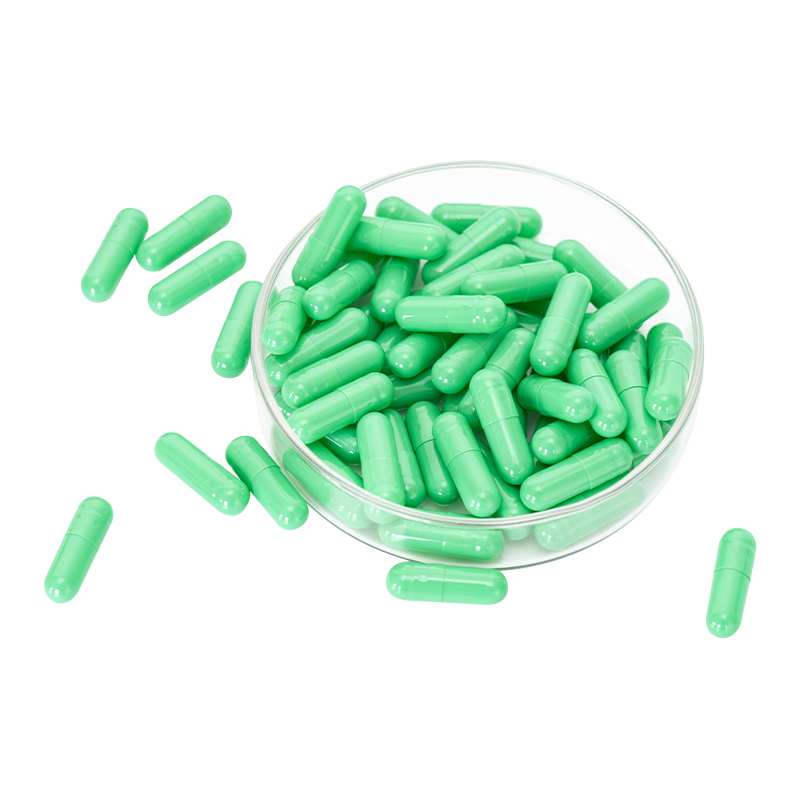
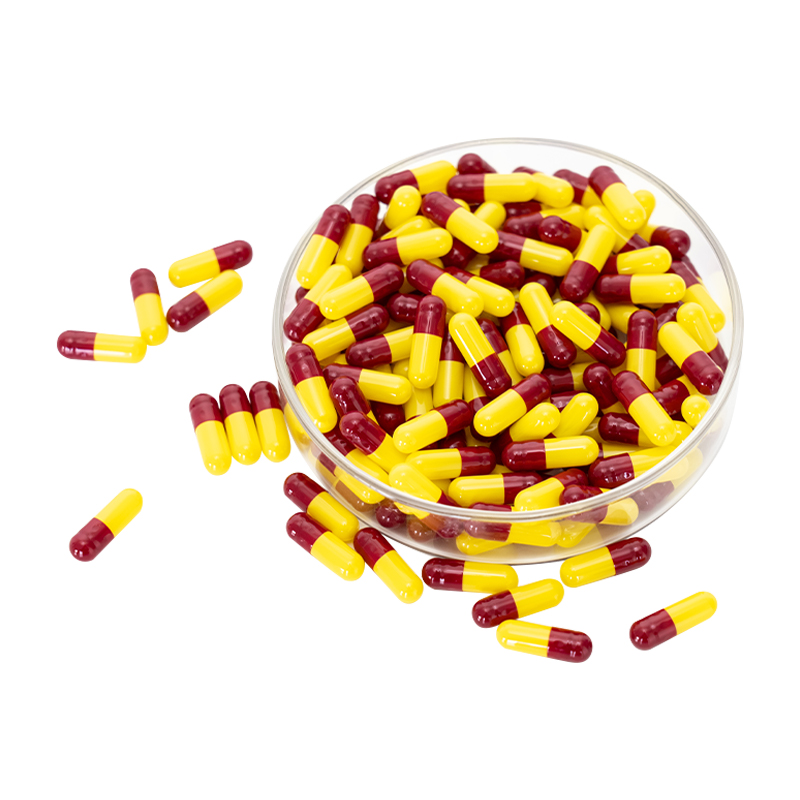
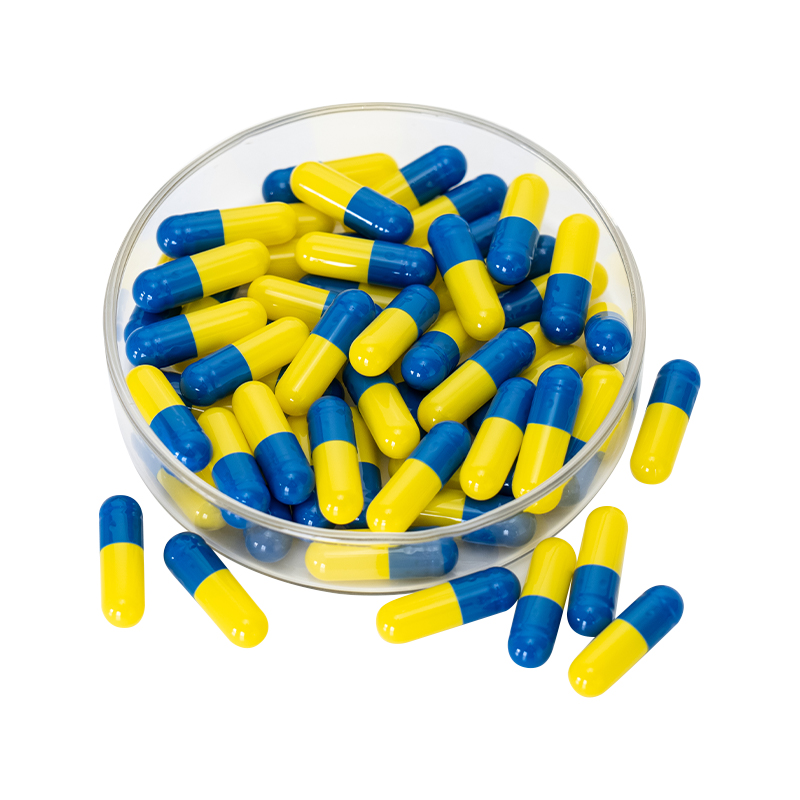
Tavoittelemme lujasti korkeaa teknologiaa, korkeaa laatua, tiukkaa hallintoa ja korkeaa tehokkuutta! Lupaamme juhlallisesti tarjota tuotteita ja korkealaatuista palvelua. Odotamme innolla yhteistyötä kanssasi.
Pääainesosat: Käytä gelatiinia tai kasvipohjaisia ainesosia, jotka ovat islamilaisen Halal-sertifikaatin mukaisia
Mukautettu koko: # 00, 0 0E, 00B, 1, 2, 3, 4
Ominaisuus: · Halal-ruokastandardien mukainen ja Halalin sertifioima. · Sopii muslimiväestölle ja täyttää uskonnolliset ruokavaliovaatimukset. · Voi olla kasvi- tai eläinperäistä, tietyt ainesosat on tarkistettava.
Kohdeyleisö: Ihmiset, jotka vaativat halal-sertifioinnin tai muslimikuluttajat.
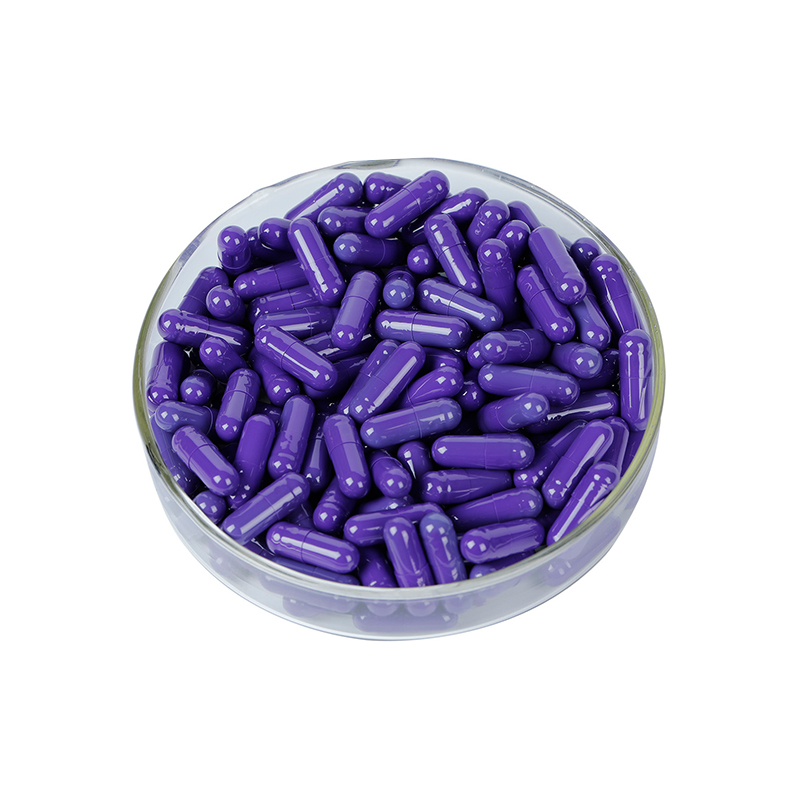
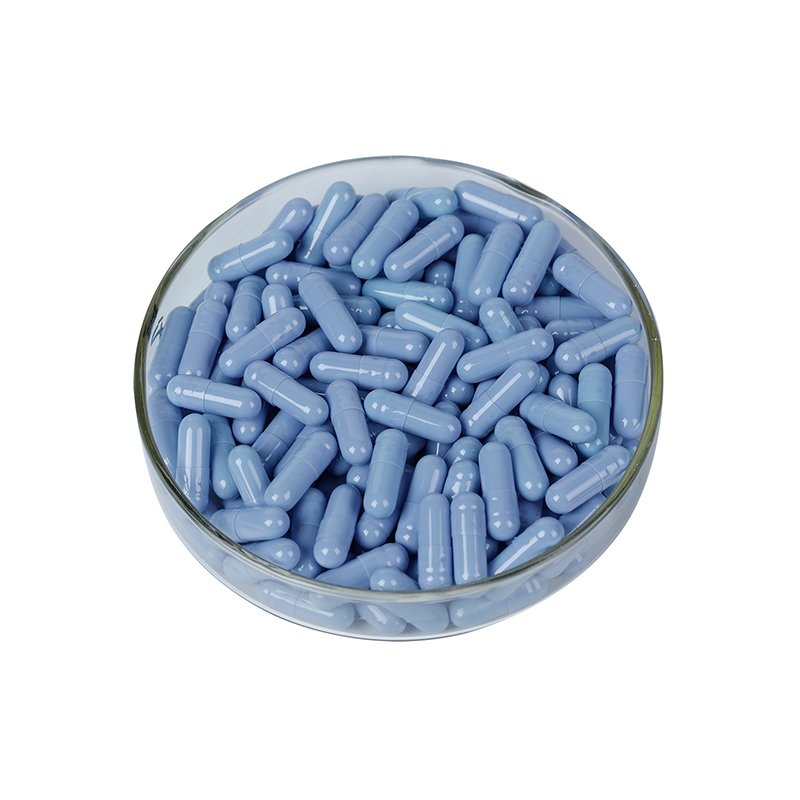
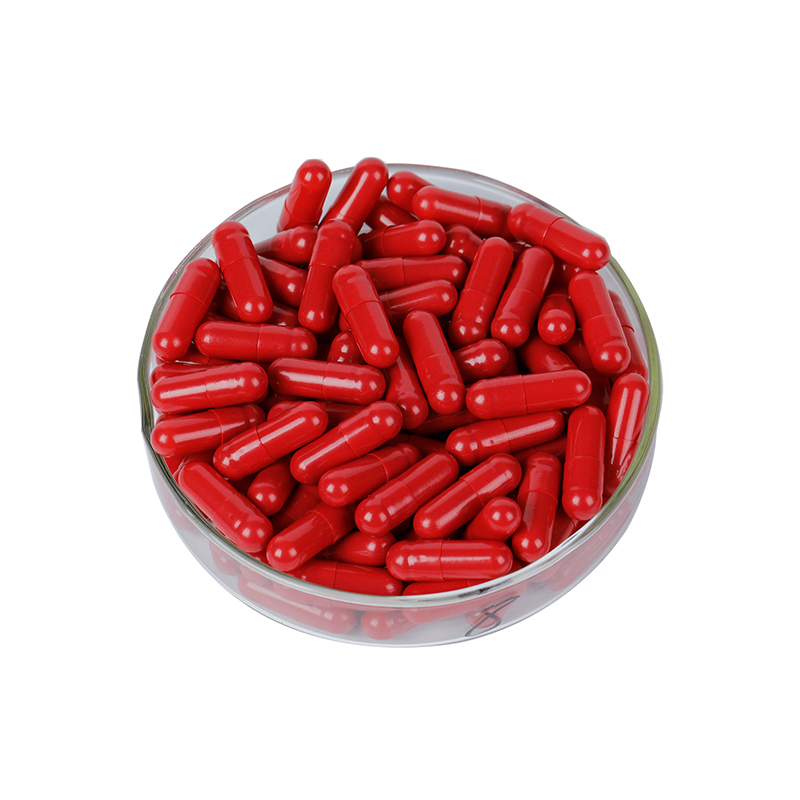
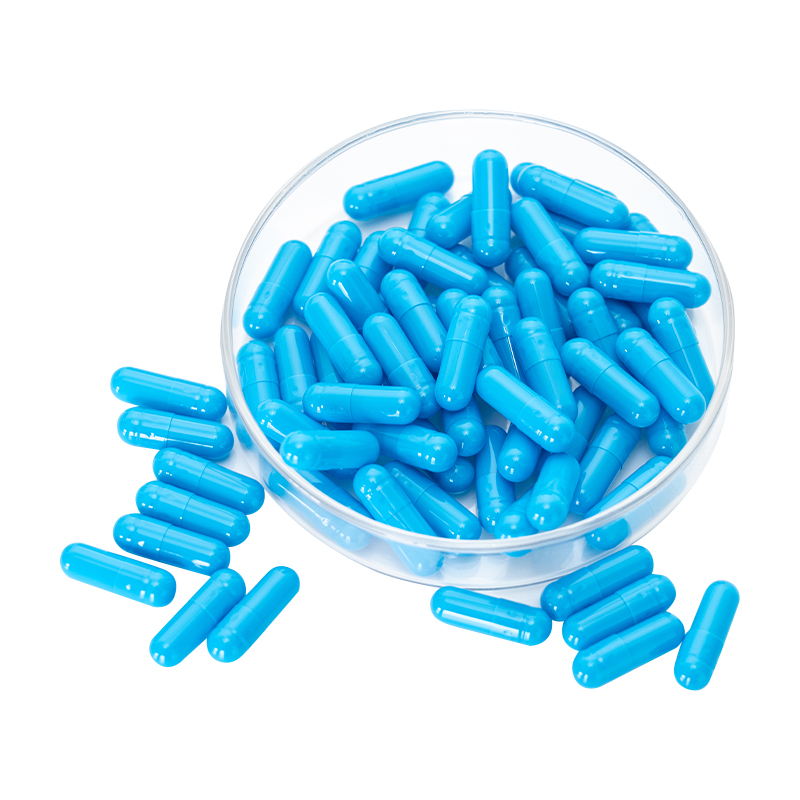
*Värit ovat vain viitteellisiä; räätälöidyt värit ovat saatavilla pyynnöstä.
Väri
Kapselin koko
Huomio: Mitat ovat vain viitteellisiä, ja katso todelliset mitat.*
Tuotteen tekniset tiedot
00#
0#
1#
2#
3#
4#
00#B
ltems / kapselin koko
Cap
Runko
Cap
Runko
Cap
Runko
Cap
Runko
Cap
Runko
Cap
Runko
Cap
Runko
Pituus (mm)
11.7
19.9
11.0
18.5
9.8
16.4
9.0
15.4
8.10
13.6
7.2
12.2
11.0
11.5
Seinän paksuus (mm)
0,100- 0.120
0,100- 0.120
0,09- 0.110
0,09- 0.110
0,09- 0.105
0,09- 0.105
0,085- 0.100
0,085- 0.100
0,080- 0.090
0,080- 0.090
0,080- 0.090
0,080- 0.090
0,100- 0.110
0,100- 0.110
Ulkohalkaisija (mm)
8.6
8.29
7.71
7.41
6.99
6.7
6.4
6.12
5.89
5.62
5.36
5.1
8.6
8.29
Paksuus (mm)
0,08- 0.12
0,08- 0.12
0,08- 0.12
0,08- 0.12
0,07- 0.11
0,07- 0.11
0,07- 0.11
0,07- 011
0,07- 0.11
0,07- 0.11
0,06- 0.10
0,06- 0.10
0,08- 0.12
0,08- 0.12
Kupin paksuus (mm)
0,13-0,20
0,13-0,20
0,12-0,19
0,12-0,19
0,11-0,18
0,11-0,18
0,13-0,20
Liitoksen pituus (mm)
25.5
24.2
21.5
20.0
17.0
15.0
17.2
Täytön pituus (mm)
23.3
21.2
19.0
17.5
15.5
13.9
14.0
Paino (mg)
128±8
100±8
80±5
65±4
48±3
39±3
90±5
Tilavuus (ml)
0.95
0.68
0.50
0.37
0.30
0.21
0.50
Tehokkuus ja kapasiteetti
0,6 g/cc
573
410
305
224
183
127
305
0,8 g/cc
764
548
403
298
243
169
403
1,0 g/cc
955
684
506
374
304
212
506
1,2 g/cc
1145
820
607
446
364
253
607
Shaoxing Zhongya Capsule Co., Ltd.
Shaoxing Zhongya Capsules Co., Ltd., joka perustettiin vuonna 1992 nimellä Xinchang Yaxing Industrial Co., Ltd., on sitoutunut ydinarvoihin "Rehellisyys, Omistautuminen ja Innovaatio". Tehtävämme on tarjota erinomaisia kapselituotteita asiakkaille maailmanlaajuisesti.
Shaoxing Zhongya Capsule Co., Ltd. on Kiina OEM halal-sertifioitujen tyhjien gelatiinikapselien kuorien valmistajat ja ODM tyhjien halal-kapselien toimittajat, Sijaitsee Kaakkois-Xinchangissa, Zhejiangin maakunnassa, Tianmu-vuoren viehättävällä juurella, yrityksemme saa inspiraationsa luonnonkauneudesta, joka kerran valloitti legendaarisen runoilija Li Bain. Tämä rikas kulttuuri- ja maisemaperintö ruokkii käsityötaitoamme ja pyrkimystämme huippuosaamiseen.
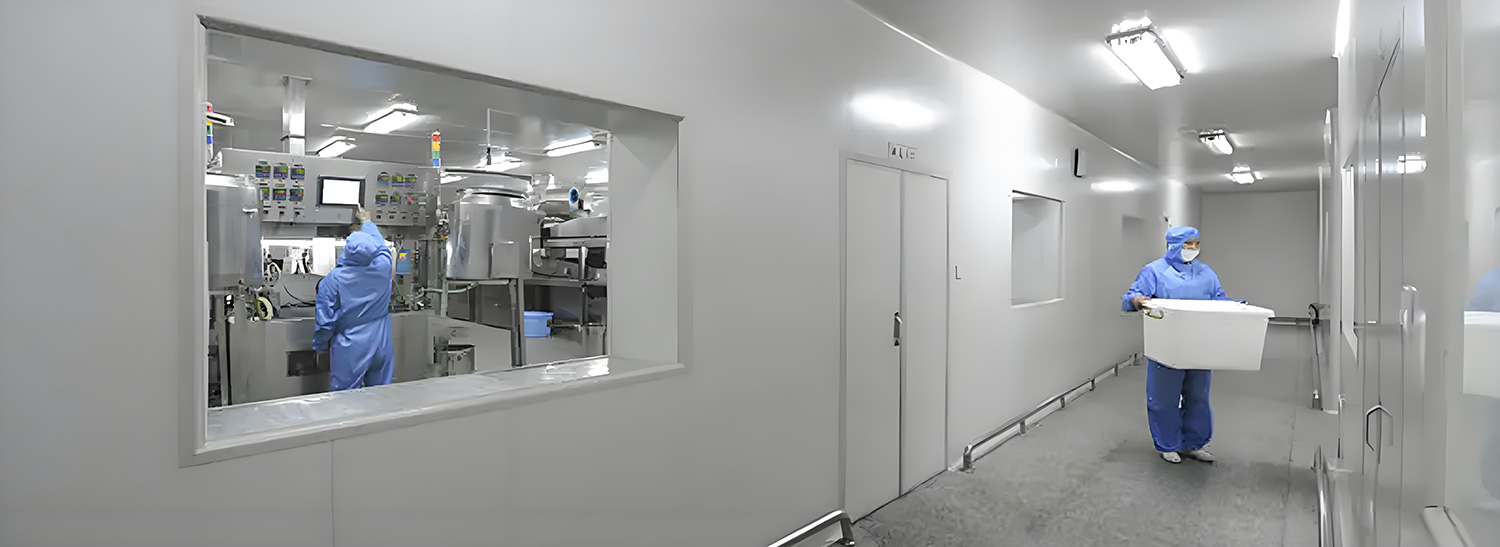
40 hehtaarin laitoksessamme on 20 000 neliömetrin moderni tuotantolaitos ja yli 70 ammattitaitoista työntekijää, mikä takaa 8 miljardin kapselin vuosituotantokapasiteetin. Erikoistumme räätälöityyn tyhjään halal-kapseliin, Valmistamme kahdeksaa eri kapselikokoa, mukaan lukien 00#, 0#, 1#, 2#, 3#, 4#, 00B# ja 0#EL, vastataksemme asiakkaidemme monipuolisiin tarpeisiin.
Video
Edistynyt valmistus ja laadunvarmistus
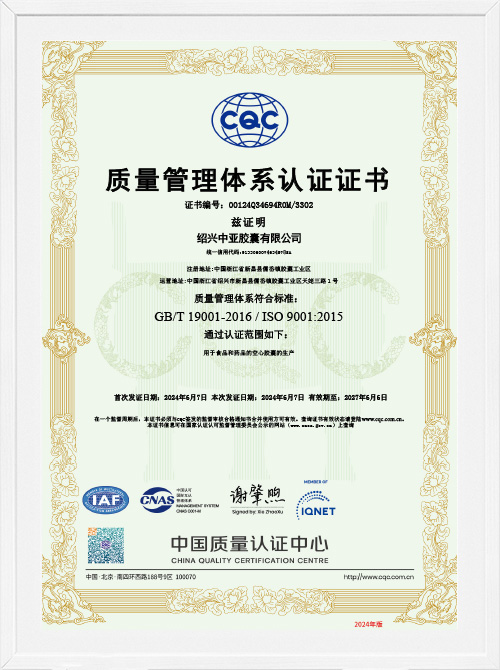
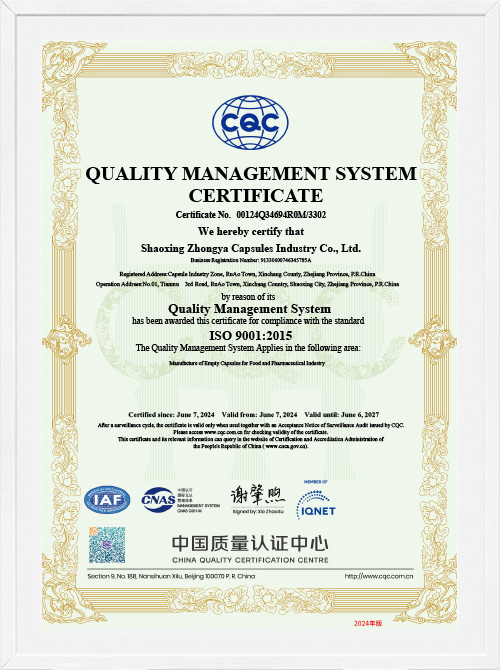
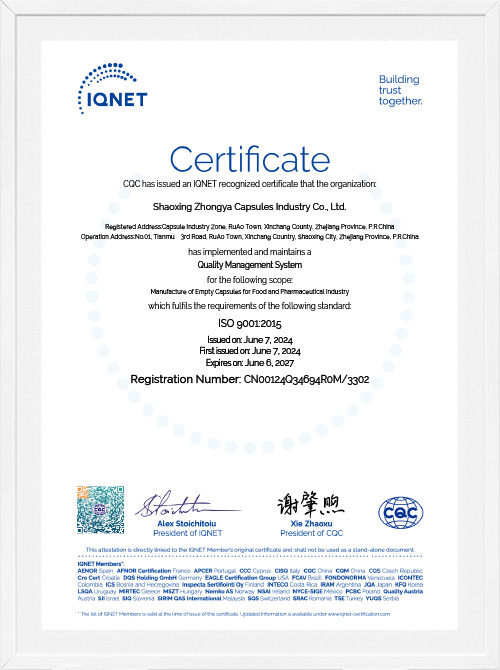
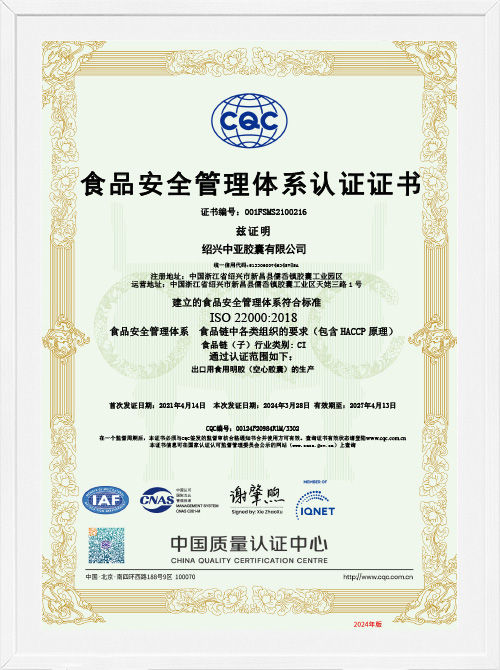
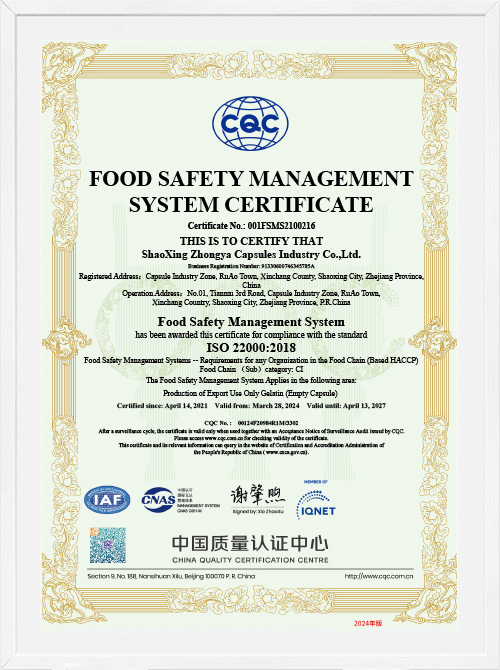
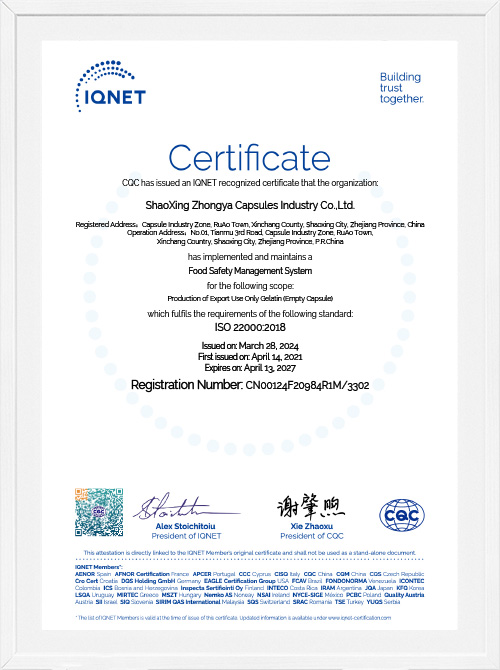
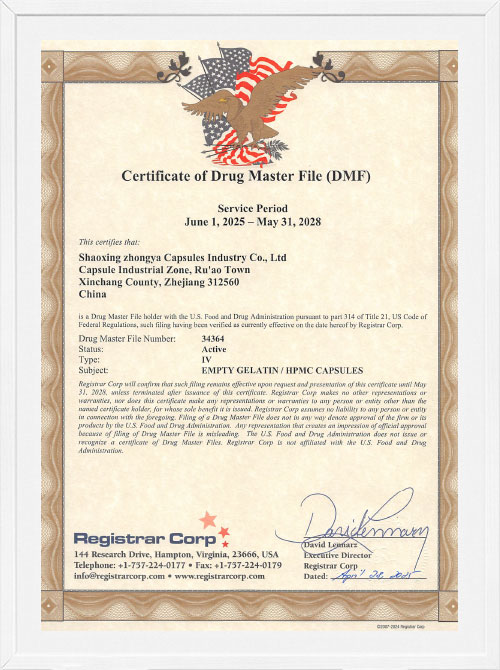
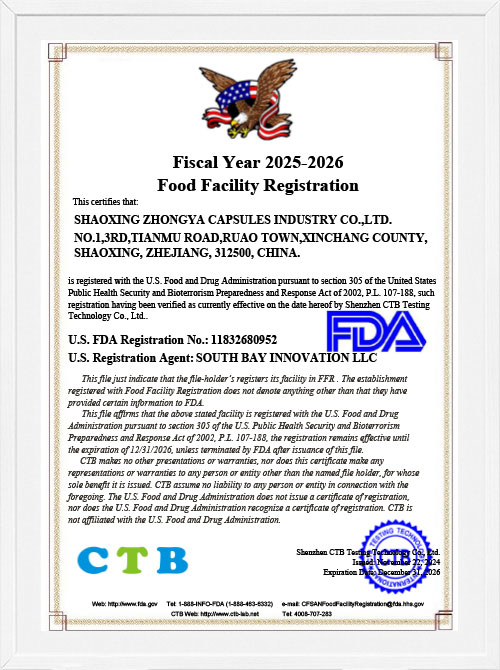
Olemme investoineet huippuluokan tuotanto- ja testauslaitteisiin, jotta voimme suorittaa kaikki laaduntarkastukset itse ja varmistaa standardit. Sertifikaatteihimme kuuluvat: ISO9001 kansainvälinen laadunhallintajärjestelmäsertifikaatti, ISO22000 (HACCP-pohjainen) elintarviketurvallisuuden hallintajärjestelmäsertifikaatti, Yhdysvaltain FDA-rekisteröintitodistus, Yhdysvaltain DMF (Drug Master File) -rekisteröintitodistus ja Halal-sertifikaatti. Nämä sertifikaatit vahvistavat maailmanlaajuista markkina-asemaamme varmistaen kansainvälisten säädösstandardien noudattamisen.
/ Viimeisimmät päivitykset /
Tarjoamme sinulle viimeisimmät yritys- ja toimialauutiset.
Lyhyt vastaus on ei — tavanomaiset farmaseuttiset kapselit eivät ole muovia. Kapselinkuoret, jotka nielet lääkkeiden tai ravintolisien kanssa, on valmistettu gelatiini (elä...
Oikean kapselin koon valinta on ensimmäinen päätös, joka vaikuttaa kaikkeen oraalisen kiinteän annoksen tuotannossa. Koko määrittää, kuinka paljon vaikuttavaa ainetta mahtuu yhteen kuoreen, kuin...
Apuaineet ovat inaktiivisia aineita, jotka on tarkoituksella lisätty lääkkeeseen tai täydennysvalmisteeseen vaikuttavan aineen rinnalla. Ne kuljettavat, sitovat, suojaavat ja säätelevät akti...
Kuivajauheinhalaatttaii (DPI) on hengityksellä toimiva laite, joka toimittaa lääkkeen keuhkoihin hienon kuivajauheen muodossa ilman, että se tarvitsee ponneainetta tai koordinoitua käsi-hengityk...
Mikä on solvaatti? Suora vastaus Solvaatti on kiteinen kiinteä aine, jossa liuotinmolekyylit ovat loukussa toisen yhdisteen kidehilaan. Yhdiste voi olla aktiivinen farmaseuttinen ...
QbD in pharma tarkoittaa Quality by Design , systemaattinen kehitysmetodologia, joka rakentaa tuotteeksi laatua valmistuksen elinkaaren jokaisessa vaiheessa. Sen sijaan, että riippuisiv...
Halal Capsules serve as the primary delivery format for many pharmaceutical, nutraceutical, and dietary supplement products sold into Muslim-majority markets, and increasingly among health-conscious consumers who simply prefer religiously compliant sourcing. The category actually spans several product forms: a general purpose HALAL Capsule shell used in mass supplement production sits alongside a fully documented Halal Certificated Empty Capsule intended for brands that need traceable sourcing records for cross-border formulation work. Buyers sourcing capsules today also look closely at shell composition, since a compliant shell has to be built from raw materials that meet halal processing requirements from the earliest stage of the supply chain, not just at final inspection. Because capsule shells sit at the intersection of formulation science and supply chain sourcing, understanding how they are made, customized, and selected has become just as important to a formulator as the active ingredients going inside them.
Gelatin Sourcing and Shell Composition
The raw material stage largely determines whether a capsule shell can be classified as halal at all. Gelatin used in shell production typically comes from bovine or fish sources, and the halal status depends on how the animal was slaughtered and processed before the collagen extraction stage even begins. Fish-derived gelatin is often preferred by buyers who want to avoid bovine sourcing questions entirely, though it can behave differently during encapsulation, generally setting slightly softer at room temperature than bovine-based shells. Blended formulations are also common, where the bloom strength and moisture content are adjusted to match the machinability needed for high-speed filling lines.
Shell moisture content is usually held within a fairly narrow band, since capsules that are too dry become brittle and crack during filling, while shells holding excess moisture can soften or deform under humid storage conditions. Shaoxing Zhongya Capsule Co., Ltd. works within this raw material framework to produce shells intended for pharmaceutical and nutraceutical formulators who need predictable shell behavior batch after batch, regardless of which gelatin source a given order is built on.
Ratings reflect general, widely observed characteristics of each shell type in encapsulation work and are shown for illustrative comparison only, not lab-tested figures.
Customization Pathways: Color, Printing, and Size
Shaoxing Zhongya Capsule Co., Ltd. approaches capsule customization as three variables that customers can combine independently: color, printing, and size. Color selection affects more than shelf appearance — opaque shells help protect light-sensitive actives from degradation, while clear or translucent shells let brands showcase the powder blend visually inside the capsule. Printing is typically used for batch identification, dosage strength markings, or brand marks directly on the shell surface, which reduces reliance on secondary labeling further down the packaging line. Buyers who request a Halal Certificated Empty Capsule for cross-border formulation work will often start from a standard size before layering on custom color and print combinations once the base formulation is confirmed.
Size Selection Still Comes Down to Fill Volume
Size remains one of the more technical decisions in the process, since fill volume, powder density, and target dosage strength all interact to determine which standard shell size actually fits the formulation.
Figures are approximate industry reference values; actual fill volume varies with powder density and tap consistency.
Manufacturing Scale and Global Distribution
Consistent capsule quality at scale depends heavily on how many independent production lines a manufacturer operates, since running several parallel lines allows for tighter batch control and reduces the risk of a single equipment issue disrupting an entire order. With more than 10 automated production lines, Shaoxing Zhongya Capsule Co., Ltd. is positioned to handle both smaller custom orders and larger recurring supply contracts without switching between manual and automated processes mid-run. This production base supports export activity into more than 20 countries and regions, and buyers sourcing Halal Capsules for products ranging from probiotic supplements to herbal extract formulations regularly draw from this same supply base.
Bars represent regions currently served, not a ranking of order volume.
Matching Shell Size to Formulation Needs
Choosing the correct shell size starts with the target fill weight of the active blend, not the other way around. A formulator working with a dense mineral powder will typically need a smaller shell than one working with a light, low-density herbal extract, even when the two products carry a similar dosage strength on the label. This is one of the more common sourcing mistakes among newer supplement brands, who sometimes pick a shell size based on visual preference rather than powder density testing. Running a small trial batch across a few candidate sizes before committing to full production remains the most reliable way to confirm fit, since a Halal certificated empty gelatin capsule shell that is even slightly oversized can lead to inconsistent fill weights across a production run.
Weigh the target powder dose and estimate its tapped density.
Compare the resulting volume against two or three neighboring standard sizes.
Run a small trial fill on each candidate size before locking the production spec.
Frequently Asked Questions
What is the practical difference between bovine and fish gelatin capsules?
The main differences show up in sourcing traceability and shell handling. Fish-derived shells sidestep bovine sourcing questions but can set slightly softer, while bovine-based shells tend to offer more predictable behavior on high-speed filling lines.
Can color and printing be customized on the same order?
Yes. Color and printing are handled as separate customization steps, so a shell color choice does not limit the printing options available for batch codes or brand marks.
How should a formulator pick a starting shell size for a new product?
Start from the target fill weight and estimated powder density rather than a preferred visual size, then confirm the choice with a small trial fill across two or three neighboring sizes.
Do halal capsule shells behave differently during high-speed filling?
Shell behavior on filling equipment is driven more by moisture content and gelatin blend than by halal status itself, though buyers sourcing a Halal Certificated Empty Capsule often request consistent moisture specs across every batch to keep fill-line performance predictable.
Jos olet kiinnostunut tuotteistamme, ota meihin yhteyttä
Jos haluat oppia lisää tuotteistamme, ota rohkeasti yhteyttä, niin teemme parhaamme auttaaksemme sinua.